Technique and experience.
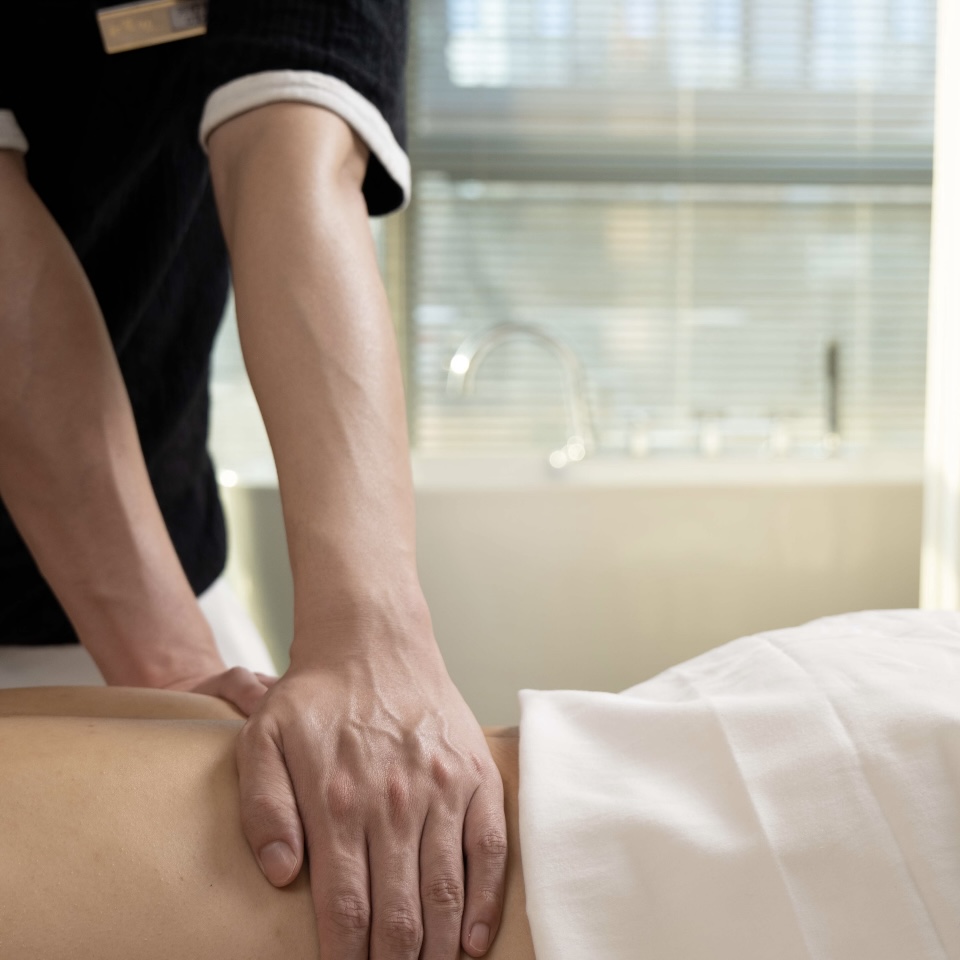
Chinese massage is distinguished by its range of hand techniques. Pushing, kneading, rolling and pressure differ in movement, contact and rhythm. Rather than asking only whether a session is strong, ask which techniques it includes, which areas it covers and how your preferences can be accommodated. The service name alone does not define the studio’s method.
Choosing a session.
This option is worth exploring if you prefer hands-on kneading and a clear focus on particular areas. You can say “please focus on my back,” “lighter pressure on my shoulders,” or “I would prefer no stretching.” These requests communicate preferences; they do not diagnose the cause of discomfort.
Duration and scope.
The listed options are 45, 60 and 90 minutes. Longer options allow time for more areas, but the areas included in your session must be agreed with the studio. Chest and abdominal work should not be assumed from the duration alone. Ask about boundaries and any areas you want omitted.
Communication and questions.
Mention your preferred pressure and areas to avoid before the session, and request adjustments during it. Afterwards, describe which techniques felt comfortable. The name does not establish medical Tuina, and stronger pressure is not a measure of quality.